

What I Know to Be True: Society Isn’t Set Up for Health
We don’t have a knowledge problem in health. We have an implementation problem.
The science is there. We’re just not building (or updating) systems that reflect it.
Take sleep.
We know children need it. According to the U.S. Centers for Disease Control and Prevention, infants require up to 14–17 hours, while teenagers need 8–10 hours per night. And yet, many school start times still run counter to adolescent circadian biology. Children are naturally inclined toward later sleep and wake cycles and yet the school bus arrives at 6:30am.
Take nutrition.
There is a robust body of evidence linking diets high in ultra-processed foods to poorer metabolic and long-term health outcomes. And yet, the U.S. still lacks meaningful regulation around these foods. At a minimum, we don’t even have a standardized front-of-package labeling system (like those used in the EU) to help consumers make informed choices quickly.
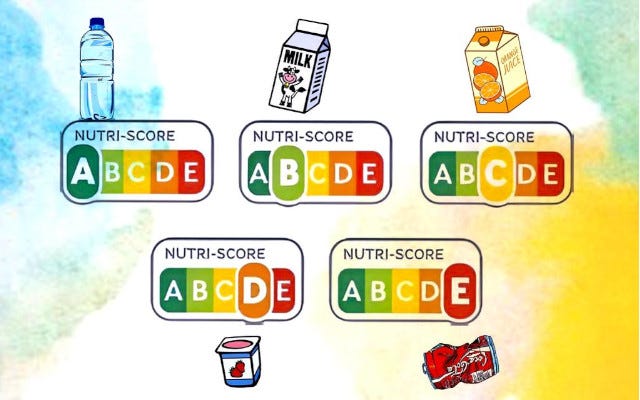
Look at our cafeterias.
Children’s brains require adequate protein, essential fats, and micronutrients like iron, zinc, choline, iodine, folate, and B12 for proper development and learning. Patients in hospitals require nutrient-dense food to support recovery and healing. And yet, in two of the highest-stakes environments (schools and hospitals) cafeterias are often filled with highly processed, calorie-dense, nutrient-poor options.
Then there’s screen time.
Extended screen exposure has been associated with higher rates of anxiety, depression, and disrupted sleep in both adults and children. And yet, our workdays, education systems, and leisure time are increasingly built around screens - with little structural protection for mental health.
And we can’t ignore women’s health.
We have decades of research showing that hormonal fluctuations across the menstrual cycle, pregnancy, and perimenopause impact sleep, metabolism, cognition, and performance. And yet, most workplaces and health recommendations remain largely standardized, failing to account for these physiological differences.
Or movement.
We know regular physical activity is one of the most protective factors for long-term health. And yet, many built environments (from car-dependent cities to sedentary work structures) make consistent movement difficult to integrate into daily life.
At some point, the question shifts from “Why aren’t people healthier?” to: “Why aren’t our systems built to support health?”
We say we value health. But we consistently design systems that don’t support it. And when that happens, the burden shifts to the individual - to overcome environments that were never built with their biology in mind.
What I know to be true is this: if we can fund and prioritize large-scale initiatives in other areas of our government, we have the capacity to invest in environments that make healthy choices more accessible, more realistic, and more sustainable.
We Know Better. We’re Just Not Doing Better, yet.
